From Warehouse Shelf to Global Buyer: The Journey of Excess Inventory
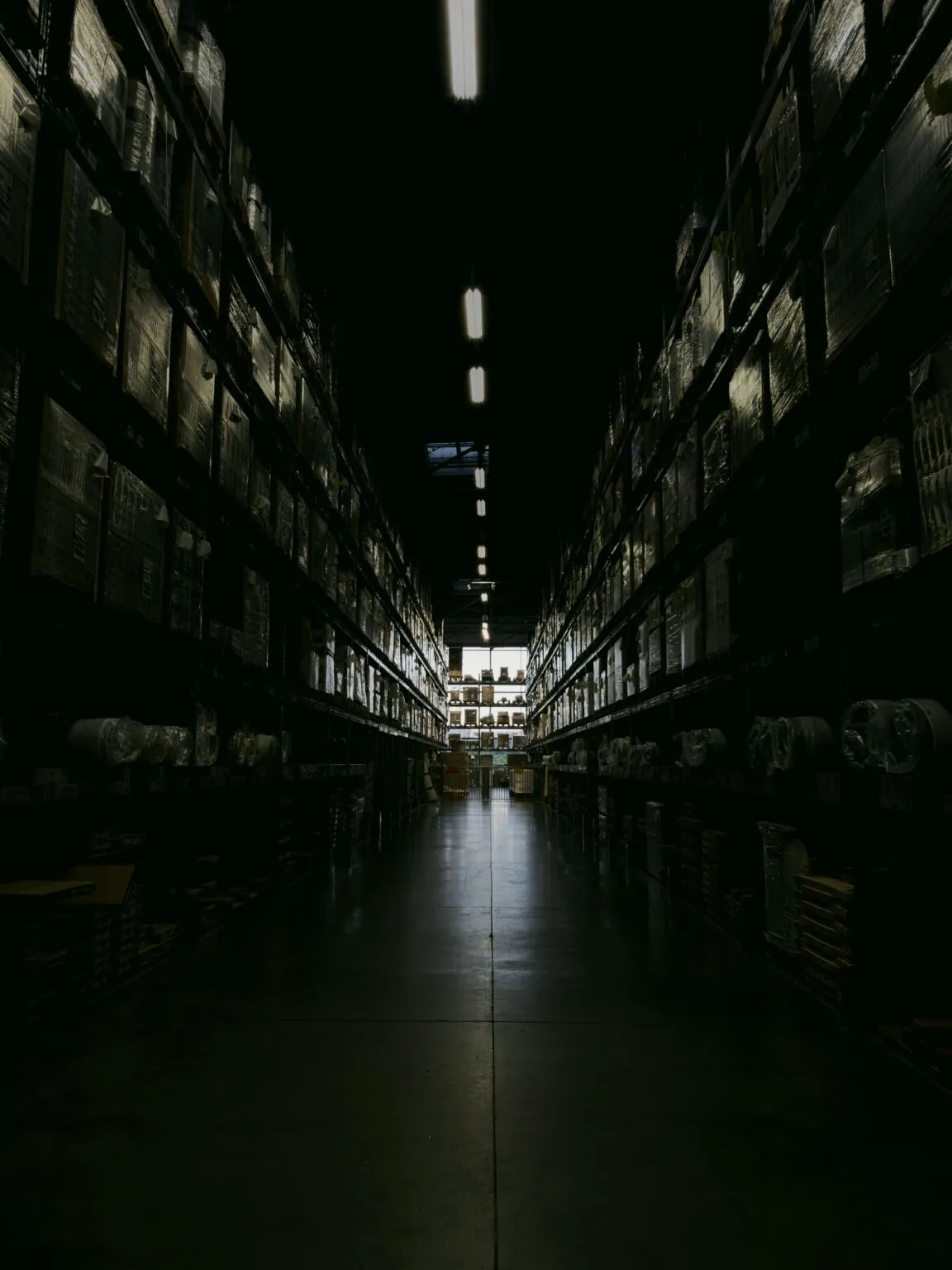
Every electronic component sitting unused in a warehouse represents more than physical inventory. It represents capital. It occupies space. It can require ongoing management. And as technology evolves, inventory that once seemed valuable can become increasingly difficult to place. But what happens when a company decides it's time to do something about its excess inventory? The journey from warehouse shelf to buyer involves much more than simply listing a part for sale.
Step 1: Identifying the Excess
Excess inventory can come from many places.
A company may have purchased more components than production ultimately required. A product may have been discontinued. Manufacturing plans may have changed. Demand may have shifted. Or a business may simply find itself holding inventory that no longer fits its current needs.
Whatever the reason, identifying that inventory is the first step.
Instead of allowing unused components to remain in storage indefinitely, companies can evaluate whether that inventory has a potential secondary market.
Step 2: Evaluating the Inventory
Not every component has the same market opportunity.
Part number, manufacturer, quantity, condition, date codes, packaging, market demand, and current availability can all influence how inventory should be handled.
This is where expertise becomes important.
Rather than treating an entire inventory list as one uniform group, companies can evaluate the characteristics and potential demand associated with individual components and lots.
Step 3: Finding the Right Market
Once inventory has been evaluated, the next question is simple:
Who needs it?
A component sitting unused at one company may be exactly what another company is trying to source.
The challenge is creating that connection.
Traditional approaches to excess inventory may limit exposure to a relatively small pool of potential buyers. Digital marketplaces can expand that reach by putting available inventory in front of buyers actively searching for components.
Step 4: Putting Inventory in Front of Buyers
This is where BidChips enters the journey.
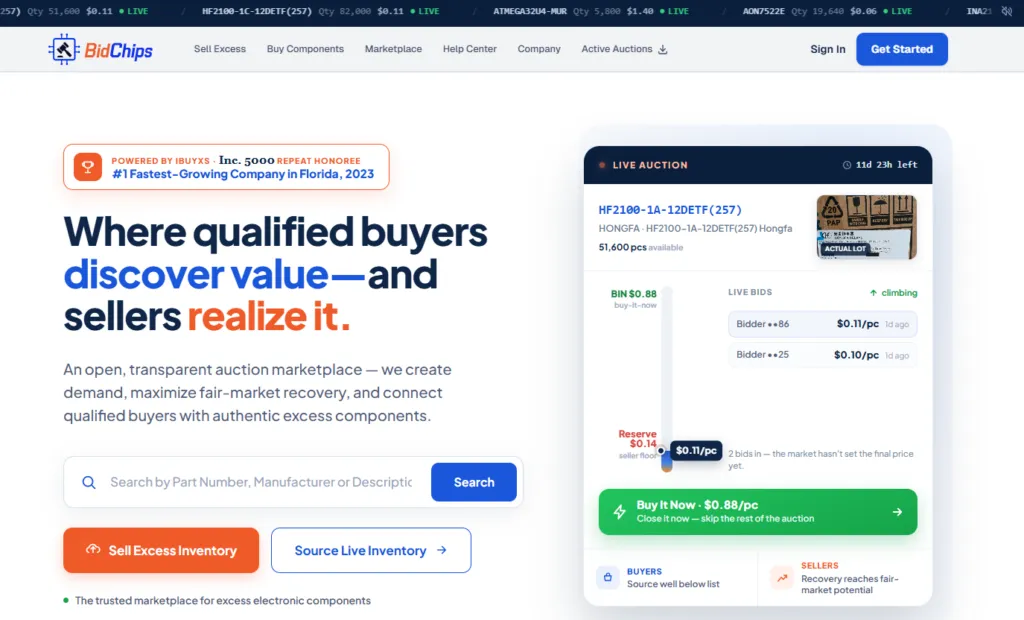
Through BidChips, available electronic components can be presented in a marketplace built around the needs of component buyers.
Instead of relying solely on a company to independently locate a buyer, inventory can become part of a searchable marketplace where buyers are already looking for opportunities.
For buyers, that creates another source for hard-to-find or excess components.
For sellers, it creates another path to market.
Step 5: Turning Excess Into Recovery
The ultimate goal isn’t simply to move a box from one warehouse to another.
It’s to recover value.
When excess inventory finds a buyer, a company can potentially free warehouse space, reduce carrying costs, recover capital, and avoid allowing usable components to become obsolete.
That makes excess inventory management an important part of broader supply-chain strategy.
The iBuyXS + BidChips Connection
iBuyXS and BidChips work together to create a pathway between companies holding excess electronic components and buyers looking for inventory.
iBuyXS provides the expertise and solutions for companies looking to monetize excess inventory.
BidChips provides a marketplace where component opportunities can reach buyers.
Together, they help turn a simple question — “What do we do with this excess inventory?” — into a more strategic one:
“How can we maximize the opportunity this inventory represents?”
Don’t Let Excess Inventory Sit Still
The electronics supply chain doesn’t stand still, and excess inventory shouldn’t have to either.
Inventory sitting on a warehouse shelf today may have a buyer somewhere else looking for that exact component.
The key is creating the connection.
From evaluation to market exposure to buyer discovery, the right strategy can help move excess electronic components from storage toward recovery.
Have excess inventory that needs a market? iBuyXS can help you explore your options.